Before the Project: What to Look For Yourself
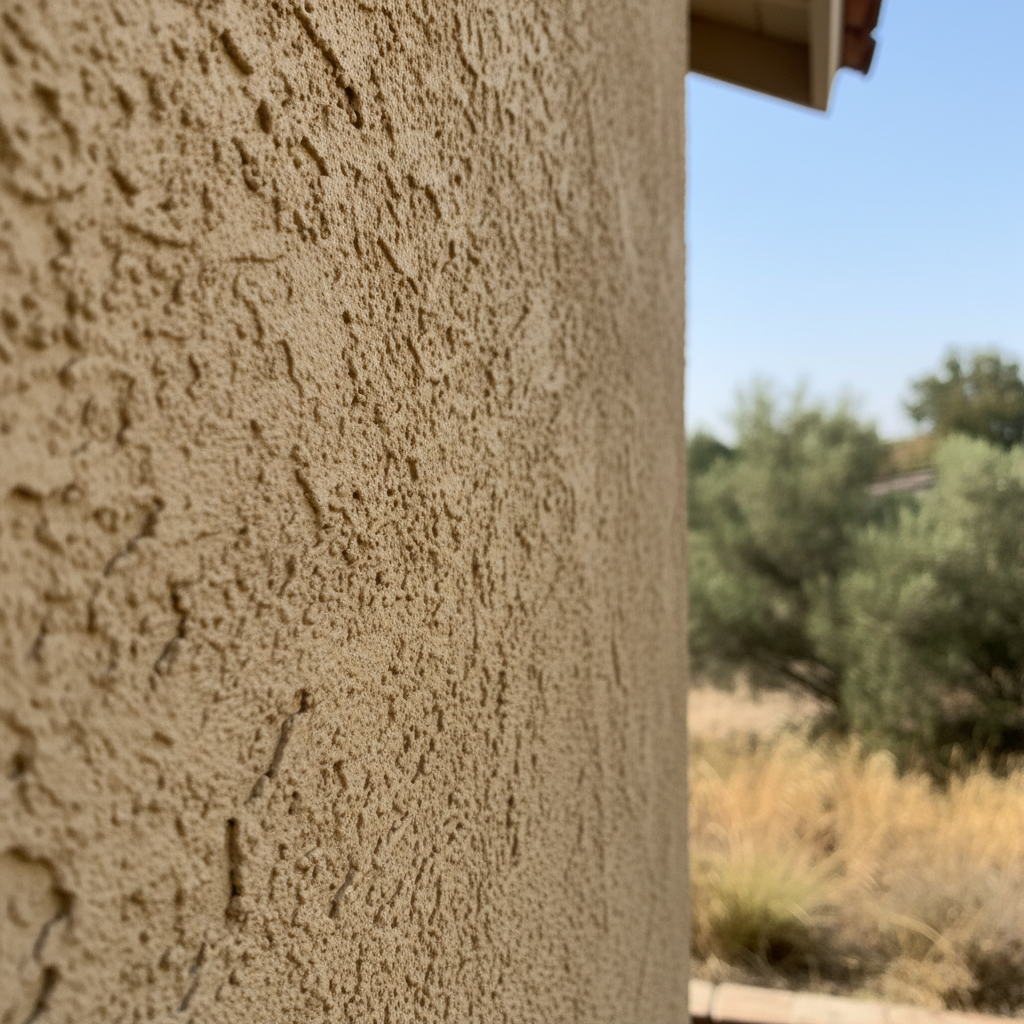
Alright, let's talk about checking your stucco here in Norwalk. You don't need to be a stucco guru to spot potential trouble, but knowing what to look for can seriously save you a lot of headaches and money later on. Think of your stucco as your home's skin – it protects everything inside. If that skin gets messed up, you're looking at bigger problems.
First off, just walk around your whole house. I tell all my clients right here in Norwalk to do this at least once a year. Maybe even more after a good rain, or a really hot spell. What should you be keeping an eye out for?
- Cracks: Not all cracks are the same, you know? Hairline cracks, those super thin ones, are pretty common. Stucco is a rigid material, and houses settle. Materials expand and contract with our Southern California temperature swings, so some minor cracking is normal. You can often seal these yourself with an elastomeric caulk. But if you see cracks wider than about 1/8 inch, or a whole web of cracks spreading across a wall, that's a red flag. Diagonal cracks around windows and doors often signal foundation issues.
- Stains and Discoloration: See any brown or rust-colored streaks? Especially around windows, doors, or where different materials meet? That usually means water is getting in where it shouldn't. And that white, powdery stuff (we call it efflorescence)? That also points to moisture problems.
- Bulging or Soft Spots: Gently press on your stucco in a few areas. If it feels soft, spongy, or you hear a hollow sound, that's a serious problem. It means moisture has likely gotten behind the stucco and is damaging the underlying structure.
- Loose or Crumbling Stucco: If pieces are flaking off or coming loose, that's another clear sign of trouble. Stucco should be firmly attached, after all.
- Flashing and Sealant: Check around your windows, doors, vents, and where your roof meets the wall. The sealant should be intact, and flashing should be doing its job of directing water away. Poorly installed or damaged flashing is a major entry point for water.
- Weep Screed: This is that metal strip at the very bottom of your stucco wall. It's designed to let any moisture drain out. Make sure landscaping or dirt isn't burying it, and that it's clear of debris. It needs to be at least 4 inches above soil and 2 inches above paved surfaces. If it's blocked, water just gets trapped.
Here in Norwalk, we get our fair share of sun, but those occasional heavy rains, especially during our wet season, can really test your stucco. Water finds its way into tiny cracks. Once it's in, it causes bigger issues like rot or mold in the framing. Our local soil can also shift a bit, which contributes to those hairline cracks over time.
During the Project: What to Expect from a Pro
If you've spotted some of those red flags, or if it's just been a few years since your last professional check-up (we recommend every 3-5 years, or sooner for older homes), it's time to call in someone like us at Norwalk Stucco & Plastering.
A professional stucco inspection goes way beyond what you can see. Here's what we typically do:
- Detailed Visual Assessment: We'll do everything you did, but with a trained eye for subtle signs you might miss. We're looking for patterns, specific types of discoloration, and areas that are historically prone to issues in homes like yours.
- Moisture Testing: This is the big one. Visual inspections alone can't detect hidden moisture. We use specialized equipment, like moisture meters, to check for water behind the stucco. This often involves drilling small, nearly invisible holes (about 3/16 inch) in strategic locations and inserting probes to measure moisture levels in the wood sheathing behind the stucco. If readings are above 15-20%, that's a concern. We then seal those holes with color-matched caulk.
- Thermal Imaging: Sometimes, we'll use thermal cameras. These can show temperature variations that might indicate moisture, though they're not always conclusive on their own.
- Flashing and Drainage Plane Check: We'll pay close attention to how your stucco integrates with other building components, especially around windows, doors, and rooflines. Improper flashing or issues with the drainage plane (the water-resistant barrier behind the stucco) are common culprits for water intrusion.
The goal isn't just to find problems, but to understand the extent of any damage and its root cause. We'll give you an honest assessment, tell you what's urgent, what can wait, and what's just normal wear and tear. You'll get a clear report, not full of jargon, so you can make informed decisions.
After the Project: Keeping Your Stucco Healthy
Once you've had an inspection and any necessary repairs are done, it's about maintenance. Your regular visual checks are still super important. Catching small issues like hairline cracks early and sealing them yourself is a great way to prevent them from becoming bigger, more expensive problems.
Keep your gutters clean to ensure water flows away from your home. Make sure landscaping isn't growing directly against your stucco, as plants can trap moisture and cause discoloration. If you see any new stains or cracks, address them promptly.
Remember, while you can handle minor cosmetic fixes, anything beyond hairline cracks, or any signs of moisture intrusion, bulging, or crumbling, really needs a professional eye. Trying to DIY a bigger stucco problem without the right experience and tools can actually make things worse. You could end up spending more in the long run. Stucco is durable, but it's not invincible, especially with our climate. A little proactive attention goes a long way in keeping your Norwalk home looking good and staying solid.